One roach in daylight usually means many more out of sight. Cockroaches breed fast and carry bacteria, so the work is about reaching the harborage and breaking the breeding cycle, not spraying the one you saw.
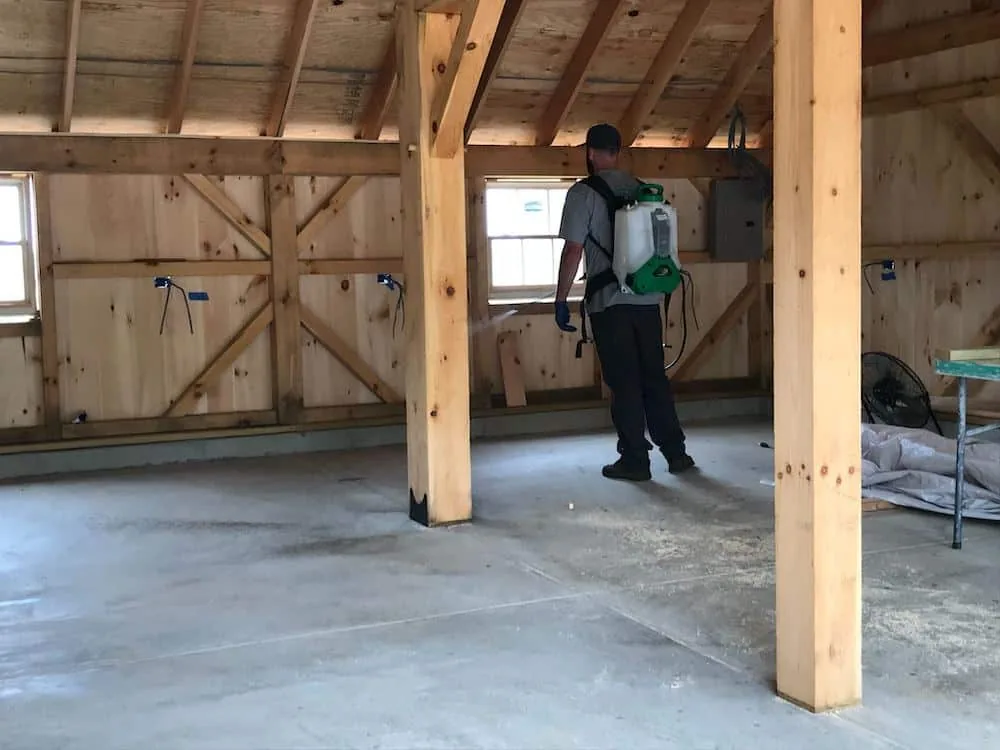
German roaches and American roaches need different approaches. We confirm the species, then bait the harborage.
Confirm German versus American versus oriental, then find the harborage - behind appliances, under sinks, in wall voids - where the population lives.
Precision gel bait at harborage and travel routes that the colony feeds on and carries back, which reaches the roaches you never see.
Sanitation and exclusion guidance to remove food and water sources, with a follow-up visit to confirm the breeding cycle is broken.
German roaches breed indoors and need an interior baiting program. American and oriental roaches usually come from outside or the sewer line, so the approach shifts to exclusion and perimeter.
For the recurring household program that folds this in, see residential pest control.
A roach out in daylight often means the harborage is crowded enough to push them into the open, so yes, a single daytime sighting usually points to a larger hidden population. An inspection tells you the scope.
Spray can scatter a German roach population and make it harder to control. Gel bait is carried back to the harborage and shared, which reaches the roaches behind walls and under appliances that spray never touches.
They can be. Cockroaches carry bacteria across food surfaces and are a known asthma and allergy trigger, which is why breaking the breeding cycle matters beyond the nuisance.
A light infestation can clear in a couple of weeks. A heavy German roach infestation takes a full baiting cycle with a follow-up. The technician sets expectations after the inspection.
One inspection identifies the species, finds the harborage, and sets the baiting plan.