A line of ants on the counter is the symptom. The colony is the problem. We identify the species, trace the trail back to the nest, and treat at the source so the line does not come back next week.
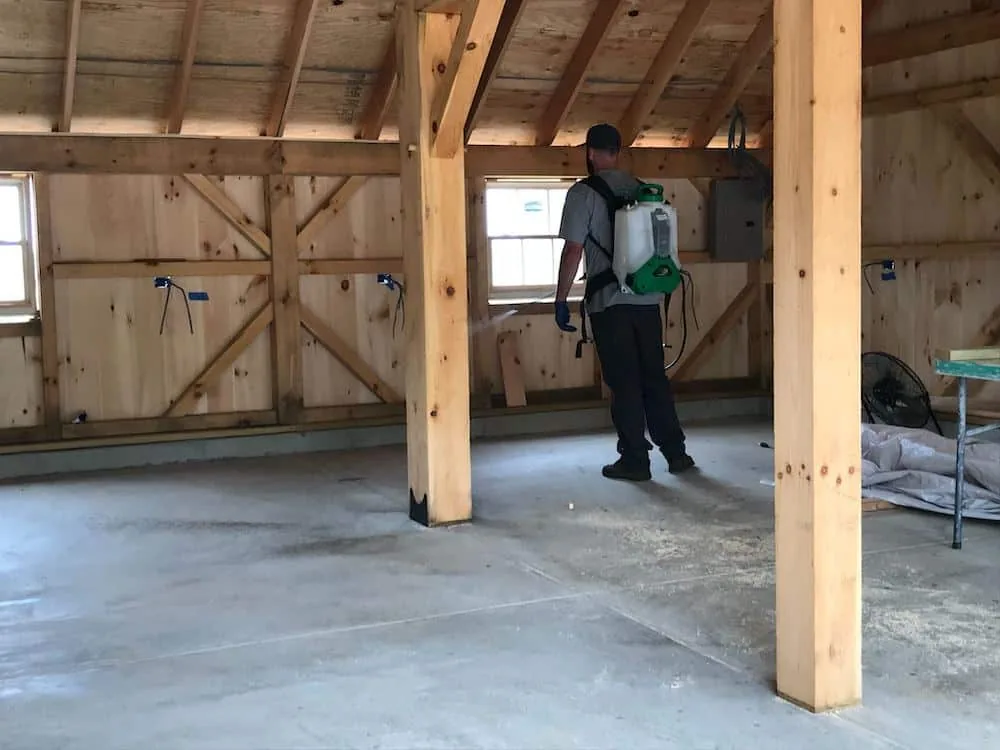
Species first. Carpenter ants, odorous house ants, and pavement ants each need a different treatment, so we confirm what you have before we treat.
Carpenter, odorous house, pavement, or acrobat - the species drives the treatment and tells us whether we are looking at a structural risk or a nuisance trail.
We follow the trail to the nest and treat the colony at the source with targeted baits and non-repellent products, not a surface spray that scatters them.
Entry-point notes, exterior perimeter treatment, and monitoring so the next colony does not move in through the same gap.
Most ant calls are nuisance trails. Carpenter ants are the exception - they excavate wood and signal a moisture problem worth addressing, so we flag structural risk when we find it.
For the recurring household program that folds this in, see residential pest control.
Surface sprays kill the ants you see and scatter the rest, which can split a colony into several. We treat with baits the workers carry back to the nest, so the colony itself is eliminated, not only the visible trail.
They do not eat wood the way termites do, but they excavate it to nest, which weakens framing over time and usually points to a moisture problem. We inspect for both the ants and the conducive condition.
Yes. We use EPA-registered, reduced-impact products applied per label and Integrated Pest Management guidance, and we walk you through what goes where.
Most nuisance trails drop within a week. Larger or multi-nest colonies take a full bait cycle. The technician gives you the timeline for your situation.
One inspection identifies the species, finds the nest, and sets the treatment plan.