Trapping alone is a treadmill - new mice follow the same gaps inside. The lasting fix pairs interior trapping and exterior control with exclusion that seals the entry points, so the next mouse cannot get in.
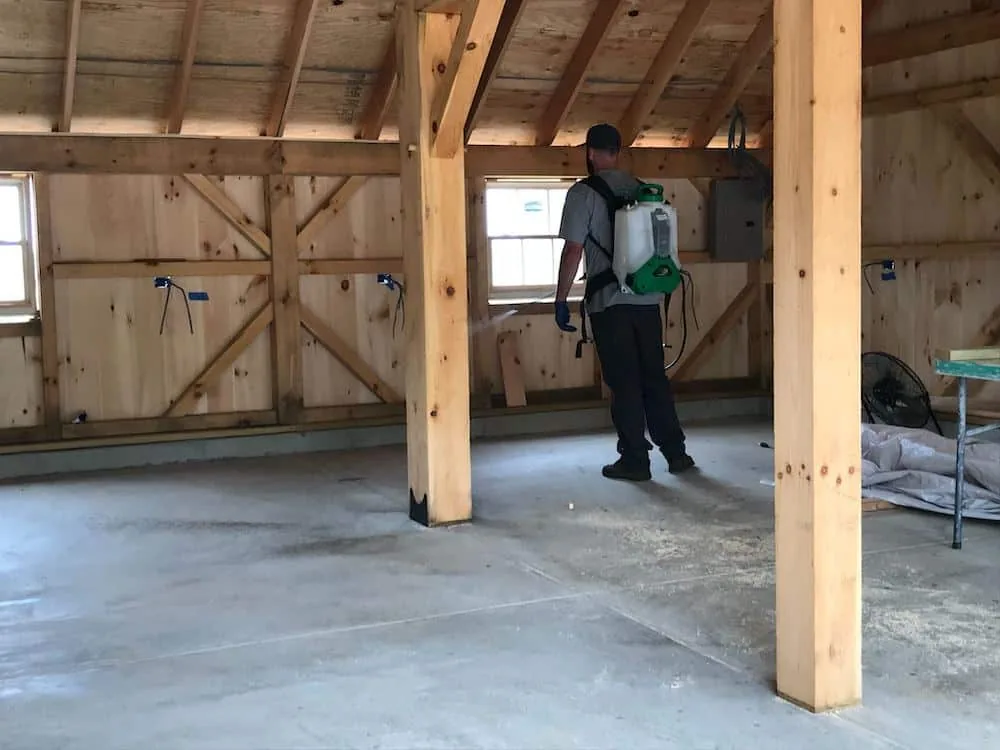
Two halves: remove the rodents that are here, and close the gaps so the next ones cannot follow.
Find the activity, the runways, and every gap a mouse can use - a mouse fits through a hole the size of a dime, so the inspection is detailed.
Interior monitoring and trapping to remove the current population, plus tamper-resistant exterior bait stations to cut pressure from outside.
Seal the entry points - the part most companies skip - so trapping is a one-time job, not a monthly subscription to the same problem.
Rodents chew wiring, contaminate food, and breed fast. The difference between recurring rodent bills and a solved problem is the exclusion work, which is why we lead with sealing the structure.
For the recurring household program that folds this in, see residential pest control.
Because trapping removes the mice but not the way in. New mice follow the same gaps and pheromone trails. The lasting fix is exclusion - sealing the entry points - which is the step that turns trapping into a one-time job.
About the size of a dime, and rats through a quarter. That is why the inspection looks at utility penetrations, garage corners, and foundation gaps most people would not think to check.
Yes. Rodents contaminate food surfaces, carry disease, and their gnawing on wiring is a real fire risk. Beyond the nuisance, they are worth taking seriously.
We provide sanitation guidance, and attic or crawlspace contamination from a wildlife-level intrusion is handled through our remediation and home-repair work.
One inspection maps the entry points and sets the trapping and exclusion plan.