Termites are the silent destroyers - they chew through wood, flooring, and framing undetected, and they cause more than $5 billion in property damage across the country each year, costs a homeowner's insurance policy will not cover. We inspect, we install monitoring, we treat where treatment is warranted, and we re-treat under warranty if activity returns.
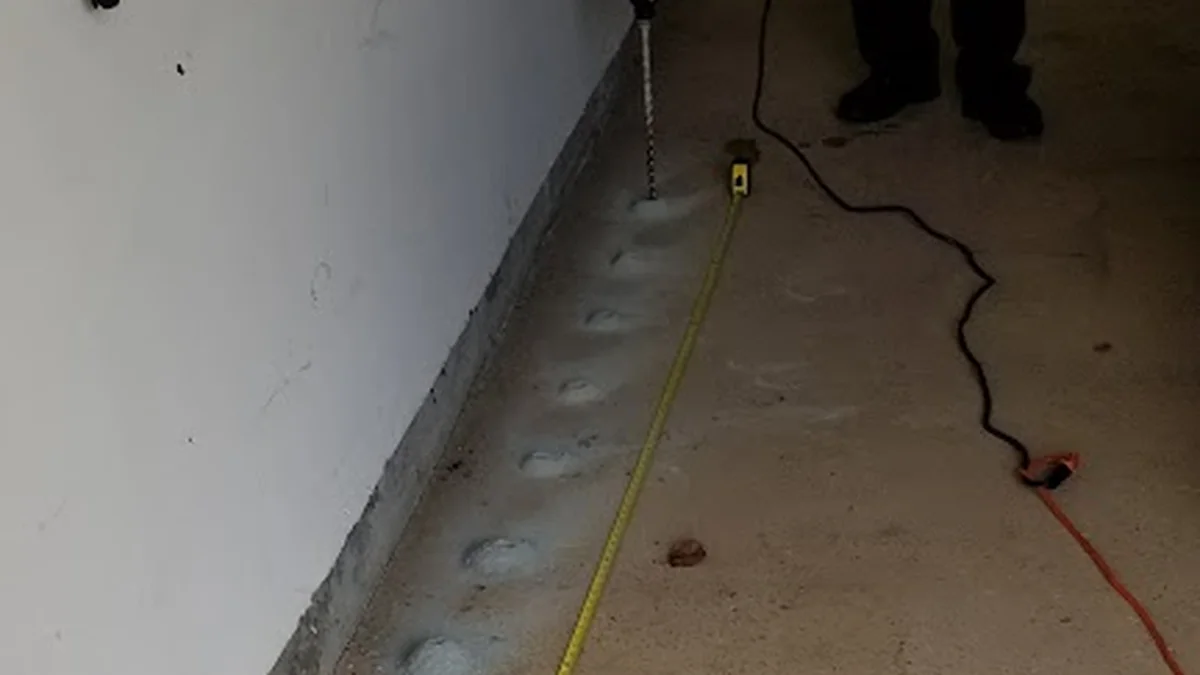
Termites do not care how nice your house looks. They care about the wood-soil contact, the moisture, and the gap your builder did not seal. We start there.
Wood-Destroying-Insect inspection of the perimeter, crawl space, basement, attic, and any visible structural framing. Documented findings, photos, and conducive-condition notes.
In-ground monitoring stations, liquid soil barrier treatment, localized spot treatment, or a combination - matched to your structure, your soil, and the activity level we documented.
Annual re-inspection cycle with documented findings. Re-treatment is included under the warranty if activity returns inside the warrantied scope.
Termite work is structural pest control. The protection is a system - inspection, treatment, monitoring, annual re-inspection - not a single application.
Real-estate transaction WDI reports (NPMA-33) are available with a standalone inspection appointment. For commercial accounts, termite scope folds into the larger property program - see Commercial.
Swarmers looking to start a new colony are the first sign of termite season, showing up inside homes in early spring. We provide termite removal across the Manassas and Northern Virginia service area - pick your town for local detail.
It depends on the method. Liquid barrier treatments begin protecting immediately and eliminate an active colony over the following weeks as termites pass through the treated zone. In-ground monitoring works on a longer cycle by design. We walk you through the timeline for your specific treatment - read the full breakdown.
The most reliable answer is an inspection. Visible signs include mud tubes on foundation walls, hollow-sounding wood, discarded wings near windows in spring, and frass piles in basements or crawl spaces. Many active infestations show no visible signs at the surface, which is why annual structural inspection matters.
The warranty scope depends on the treatment system installed. In-ground monitoring carries an annual renewable warranty. Liquid barrier treatment carries a multi-year warranty. The exact terms are reviewed with you before signing - no hidden carveouts.
Yes if your buyer's lender requires it. We provide NPMA-33 Wood-Destroying-Insect reports for Virginia real-estate transactions. Schedule the inspection 10-14 days before closing for the cleanest timeline.
The work is exterior, around the perimeter of the structure. Most installations take 4-6 hours for a typical residential property. The treated soil is safe to walk on the same day. Plantings, mulch, and stone borders are restored to their original placement after treatment.
Almost never. Termite damage is considered preventable maintenance, not a sudden insured loss. The structural protection we install is the prevention.
Real-estate timeline, peace-of-mind structural check, or renewal of an existing termite warranty - one inspection covers all three.